
LED Video Wall Project Checklist for Europe
An LED video wall project succeeds when the display, structure, content, and installation are planned together. A quotation based only on width and height can miss viewing distance, cabinet depth, power distribution, maintenance access, and the playback system. Yorvix works with European project teams that need a practical checklist before finalizing an LED display specification.
1. Define the viewing and content requirements
- Typical and closest viewing distances
- Required text size, image detail, and content resolution
- Indoor or outdoor environment and ambient-light conditions
- Expected content format, frame rate, and playback source
- Whether the wall operates as one canvas or several zones
Viewing distance and content detail help establish the pixel pitch range. The final choice should be reviewed against the actual content rather than relying only on a rule of thumb.
2. Confirm the physical installation
- Display width, height, aspect ratio, and available structure
- Wall, truss, floor, or suspended mounting method
- Front or rear maintenance access and service clearance
- Power distribution, cable routes, and control-equipment location
- Indoor or outdoor cabinet requirements and environmental protection
3. Match the display platform
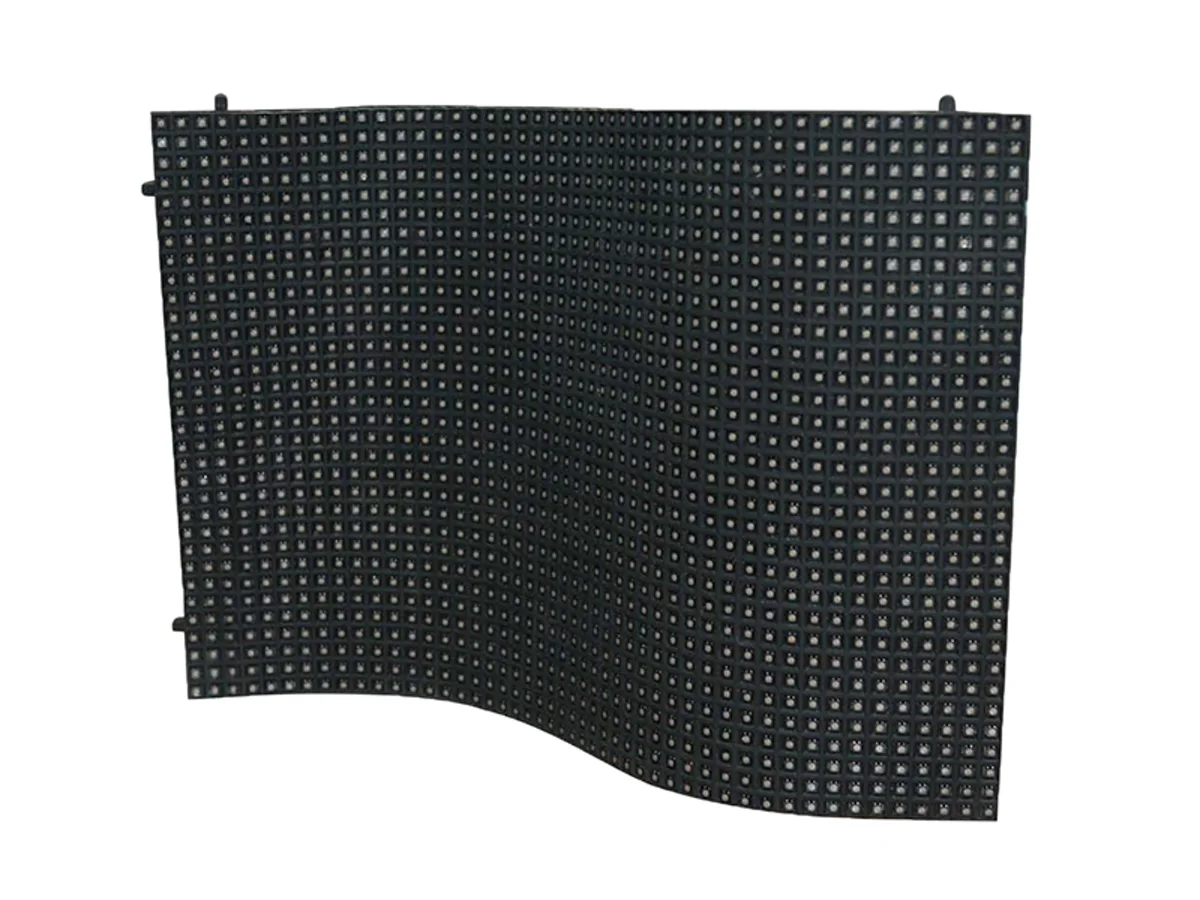
The LED video wall platform covers conventional rectangular installations. Projects with unusual shapes, transparent surfaces, or architectural integration can review creative LED display formats. The Digital Signage and LED Display Solutions for Europe page provides a broader application overview.
4. Plan the control and content system
The project should identify the media player, control software, signal source, network, and content update method. A commercial Mini PC may serve as a local playback platform where the application requires it. The interface and resolution should be confirmed with the LED controller and content system before ordering.
5. Define validation and handover
Before final acceptance, verify module operation, display uniformity, content playback, control response, cable management, and maintenance access. Record the cabinet layout, controller configuration, spare-parts plan, and service contact. A documented handover makes later repairs and expansions easier.
Schedule and responsibilities
The project schedule should identify who approves drawings, who prepares the mounting structure, who supplies power and network connections, and when the display and controller equipment arrive. Installation should not begin until the site readiness conditions are confirmed. If several trades work in the same area, the sequence for structure, cabling, display assembly, and content testing should be agreed in advance.
The procurement package should distinguish between display hardware, control equipment, mounting materials, installation labor, and optional spare parts. Keeping these items separate makes it easier to compare quotations and confirm which supplier is responsible for each part of the project.
Send the installation plan, dimensions, viewing distance, content type, destination country, quantity, and target timeline for a project review. Final specifications, drawings, delivery planning, and commercial terms are confirmed in writing.
Request an LED Video Wall Project Review | sales@yorvixpc.com