
Digital Signage Rollout Planning for Europe
A digital signage rollout can involve one flagship store or dozens of locations across several countries. The hardware decision should follow the site, content, and operating model rather than starting with a screen size. Yorvix works with retail groups, integrators, and commercial project teams that need to coordinate displays, playback hardware, mounting, connectivity, and service access.
Define the rollout scope
A useful plan separates the pilot site from the later rollout. The pilot should test the actual viewing distance, content format, network path, and installation method. Once the configuration is approved, it can become the baseline for other locations instead of allowing each site to make unrelated hardware choices.
- Number of locations, countries, and deployment phases
- Indoor or outdoor environment and expected ambient light
- Display size, viewing distance, and content resolution
- Local or central playback, networking, and remote management
- Installation access, mounting structure, and service method
Choose the display and player together
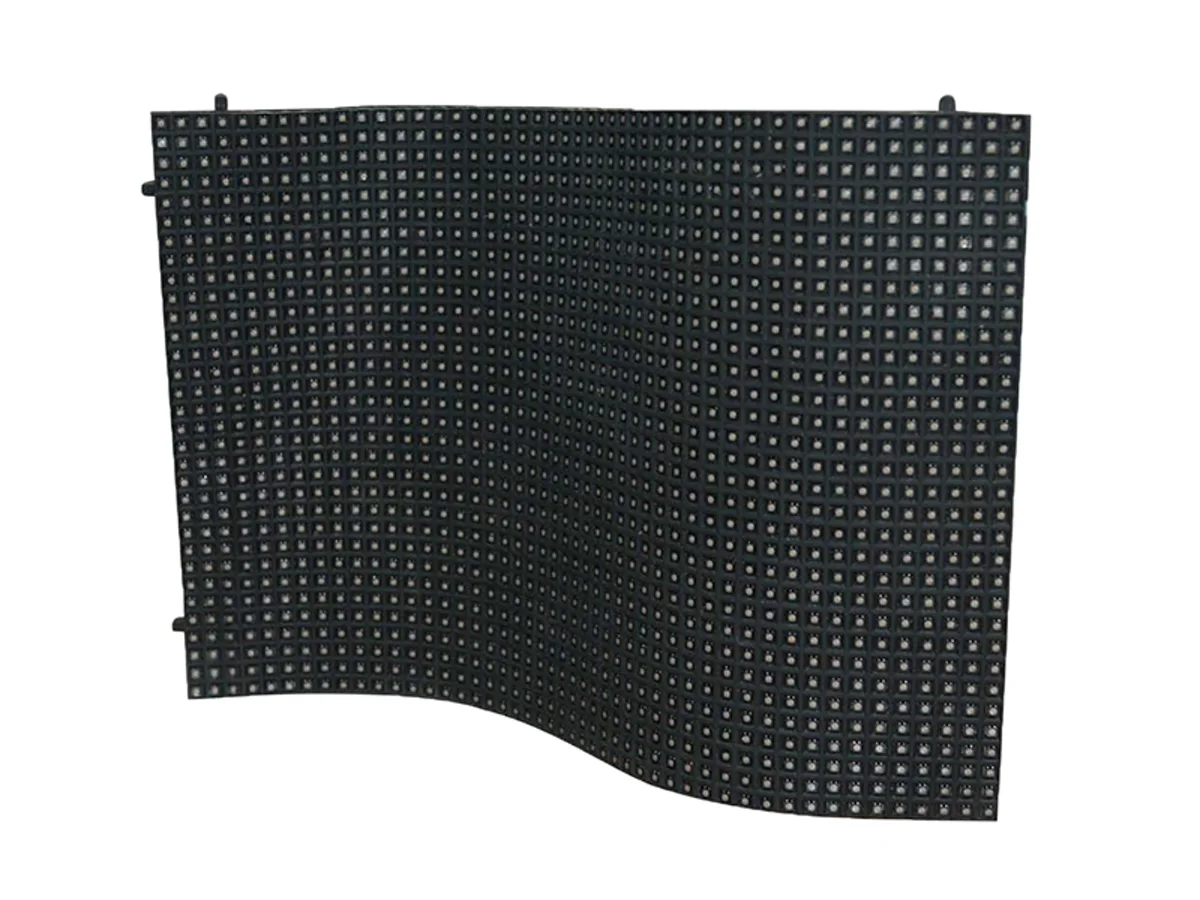
The display and media player should be reviewed as one system. A commercial Mini PC may supply local playback or control, while an LED video wall or creative LED display provides the visible surface. The output resolution, aspect ratio, refresh behavior, and content-management software should be confirmed before the final configuration is locked.
Review the Digital Signage and LED Display Solutions for Europe page for display options, the Mini PC product range for playback platforms, and the retail LED guide for storefront projects.
Site survey and connectivity
The site survey should record the installation surface, available power, cable routes, network outlet, Wi-Fi coverage, and access for installation equipment. If the display is in a public area, the team should also define who can reach the player and cabling after opening hours. A site that looks simple on a floor plan can require a different mount or service strategy once the physical conditions are inspected.
Connectivity should distinguish between content delivery and local display control. A site may download media from a central system while keeping playback local, or it may depend on a continuous network connection. The failure behavior should be documented so the screen can continue showing approved content during a temporary outage.
Content and operations
Content workflow is part of the technical design. Decide who approves material, how campaign changes are distributed, whether screens run independently or as one canvas, and what happens when the network is unavailable. A documented content specification reduces formatting errors and makes the rollout easier to train and support.
Acceptance and service
Each site should have a simple acceptance checklist covering display operation, player output, network connection, audio where required, cable management, and access for maintenance. Asset records should include the display model, player configuration, mounting method, and service contact so later replacements or expansions can follow the same standard.
Send the site list, environment, display size, content source, network model, destination countries, and target timeline for a project review. Final specifications, quantities, delivery planning, and commercial terms are confirmed in writing.
Request a Digital Signage Rollout Quote | sales@yorvixpc.com