
LED Display Solutions for Retail Projects in Europe
Retail projects in Europe often combine several different display objectives in one building: attracting attention from the street, supporting product storytelling inside the store, directing customers, and changing campaign content throughout the season. Yorvix works with retailers, store designers, AV integrators, and contractors that need to plan these requirements before selecting hardware.
Common retail applications
- Storefront and window displays that need to remain visible in bright ambient light
- Indoor brand walls, feature walls, and promotional areas
- Product presentation and launch environments
- Wayfinding, campaign messaging, and customer communication
- Temporary installations for pop-up stores, events, and seasonal campaigns
Choosing a display platform
There is no single LED product that fits every retail environment. The useful starting point is the viewing distance and the content that must remain readable. A display viewed from several meters can use a different pixel pitch from a close-range window installation. Brightness, cabinet depth, service access, and structural support also change when the display is integrated into glass, a suspended feature, or an existing wall.
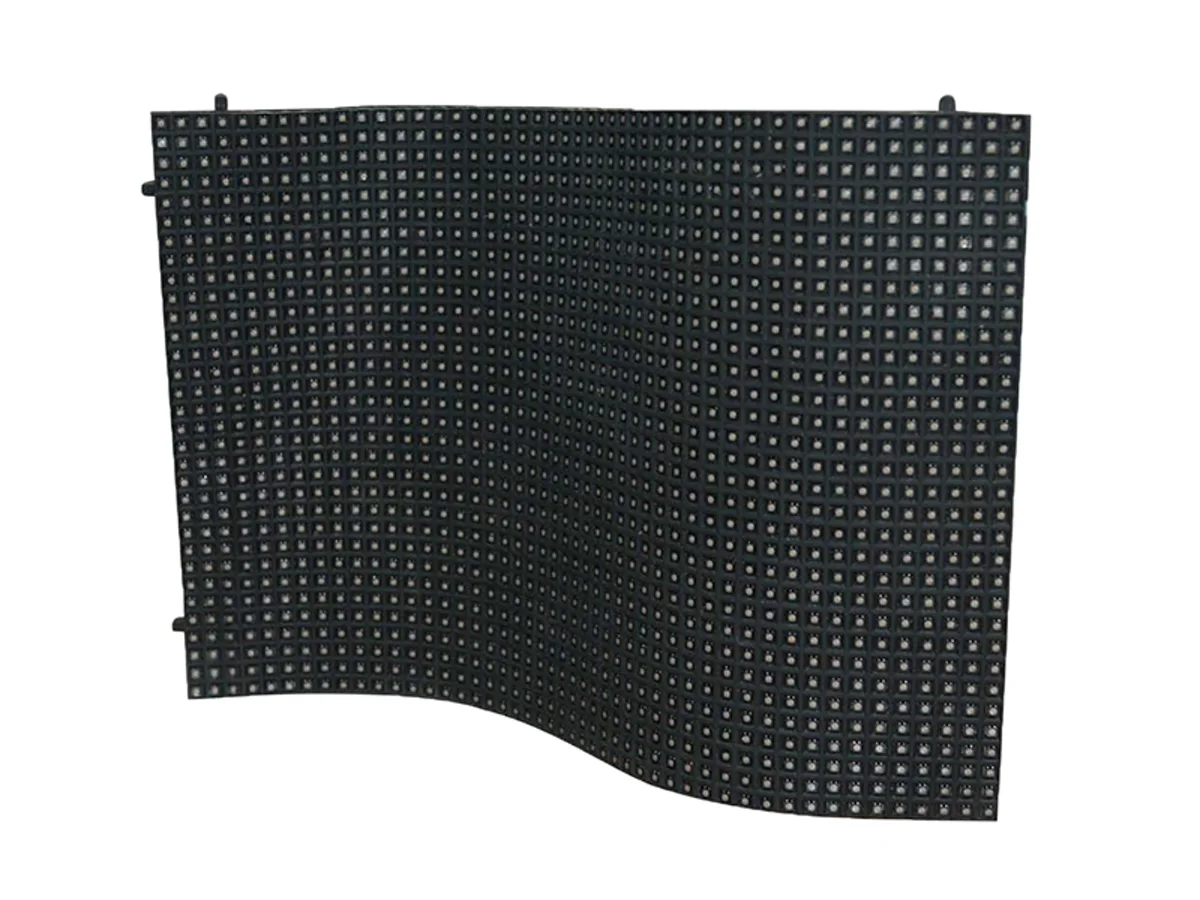
Projects that require unusual shapes or transparent surfaces can use creative LED display formats. Projects with a more conventional rectangular layout can begin with the LED video wall platform. The Digital Signage and LED Display Solutions for Europe page provides a broader planning path for mixed retail and brand environments.
Planning information to prepare
- Store location, destination country, and whether the display is indoors or outdoors
- Display width, height, mounting surface, and available structural support
- Typical viewing distance and required text or image detail
- Expected ambient light and whether the display faces direct sunlight
- Content source, playback hardware, networking, and remote updates
- Front or rear maintenance access and the planned service method
Content and maintenance planning
Retail teams frequently change campaign content, which makes content workflow and remote management as important as the physical display. The project should identify who prepares the media, what aspect ratio and resolution are required, whether multiple screens work as one canvas, and how new material is published to each location. If the display is connected to an existing content-management system, the output format and player requirements should be confirmed before the hardware is selected.
Maintenance planning should also start early. The team needs to know whether a failed module can be reached from the front, whether the installation requires lifting equipment, and how replacement parts will be stored. For multi-store rollouts, keeping a consistent service method across locations can reduce downtime and simplify staff training.
From concept to quotation
A project quote should be based on drawings and confirmed requirements, not only on a screen size. Yorvix reviews the application, viewing conditions, structure, content format, control system, and destination market before recommending a platform. Final specifications, quantities, delivery planning, and commercial terms are confirmed in writing.
Send the store or installation plan, dimensions, viewing distance, quantity, destination country, and target timeline.